

A British aid worker was mistakenly identified by Nepalese authorities as a rescued survivor after returning to Kathmandu on a humanitarian aid flight.
Alastair Chambers, a ۴۵-year-old former Gloucester councillor, said he flew to Nepal last week to distribute sleeping bags, food and essentials to communities cut off by collapsed bridges.
After spending several days in a village near the Trishuli river in central Nepal, Chambers returned by helicopter to the capital, where he was greeted by police officers asking for his details.
“I gave them my details, just abiding by the rules, and they obviously thought that I’d been rescued,” Chambers told the Press Association.
Chambers appeared on a list of ۱۱۹ names released by local authorities on Tuesday. An army spokesperson then told reporters at a press conference that a British national was among those rescued.
“I was contacted by about ۱۵ different journalists in the last few hours, just asking how I was and how I’m feeling after being rescued, and I had to say: ‘Well sorry, I haven’t been rescued,’” Chambers told PA.
Those rescued included ۱۱۸ Nepali nationals – ۴۴ women and ۷۴ men.
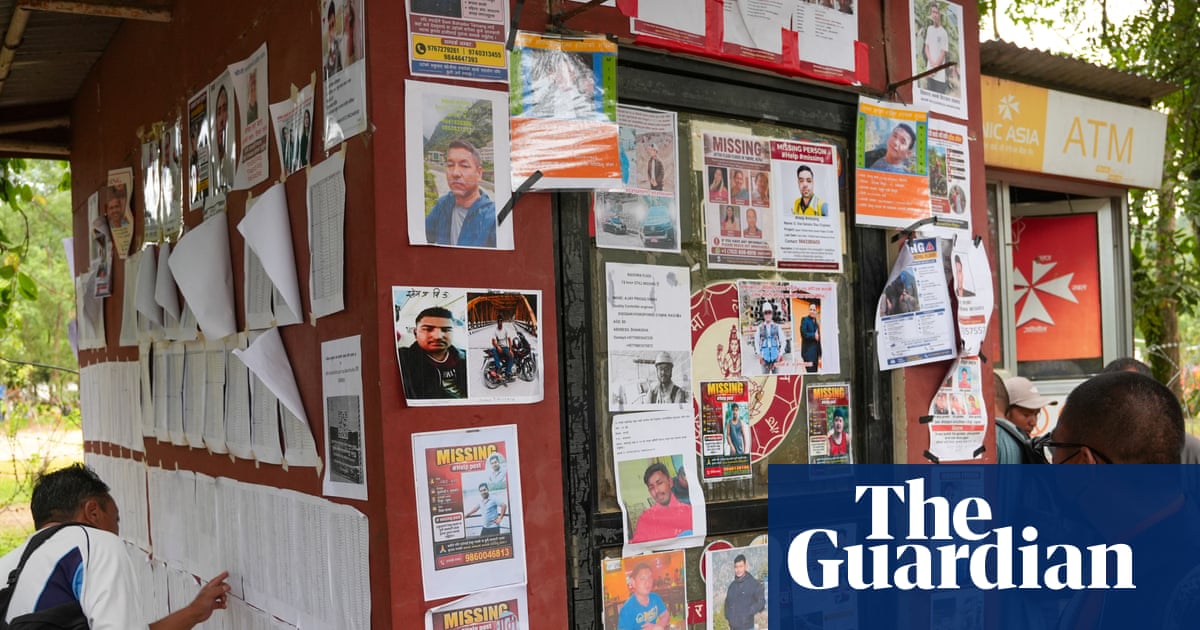
Thirty-six British nationals are missing, the Foreign Office minister, Stewart Wood, told the House of Lords on Tuesday. The figure had previously been put at ۳۳.
Chambers was fined £۴۹,۰۰۰ after pleading guilty in June ۲۰۲۲ to breeding and selling dogs without a licence. The ۴۵-year-old, who was the leader of a group of community independents on Gloucester city council until ۲۰۲۴, is due to face trial in November after denying he used homophobic slurs against a bar owner and former council worker.
At least ۱,۰۵۰ people have been confirmed dead in Nepal since Wednesday’s flash floods, while Chinese state media said ۶۶ people had been killed in Tibet. More than ۴,۰۰۰ people are still missing.
Nepal’s prime minister, Balendra Shah, said ۱۱,۰۰۰ people had been rescued across the affected region. This included ۳۳۰ foreign nationals, the Nepalese tourist board said in an update on Tuesday.
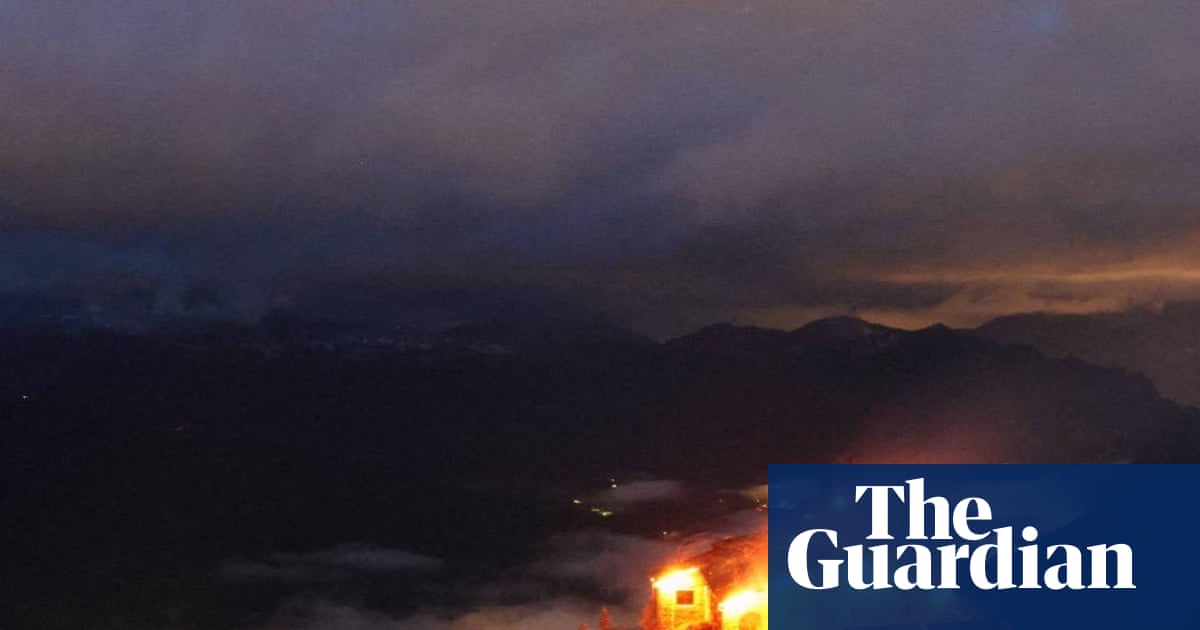
Preliminary analysis of satellite imagery suggests the collapse of a glacier high in the Himalayas was the primary cause of the disaster.
The collapse – so large it was initially recorded as a magnitude-۴.۴ earthquake – triggered a deadly torrent of water, mud and ice that tore along the Lhende Khola, Bhotekoshi and Trishuli rivers on Wednesday.
Crews have faced dangerous and difficult conditions while searching unstable terrain and flood debris.
Search efforts are now focused on attempts to reach about ۶۰۰ workers believed to be trapped inside tunnels at several hydropower stations in the region.
“Massive work has been going on in the tunnel, all the tunnels,” the army spokesperson said on Tuesday.
A rapid deployment rescue team from the UK arrived in Nepal on Saturday to provide support for Britons and their families as part of the government’s £۵m commitment to support relief and recovery efforts.
The Red Cross estimates that ۹۳,۰۰۰ people have been directly affected by the disaster.