


Bangladesh’s garment industry brings in about $۳۸bn a year. The minimum wage is around ۱۲,۵۰۰ taka ($۱۰۰) per month.
Published On ۲۳ Nov ۲۰۲۶
Representatives of Bangladeshi garment workers have rejected a pay offer from employers.
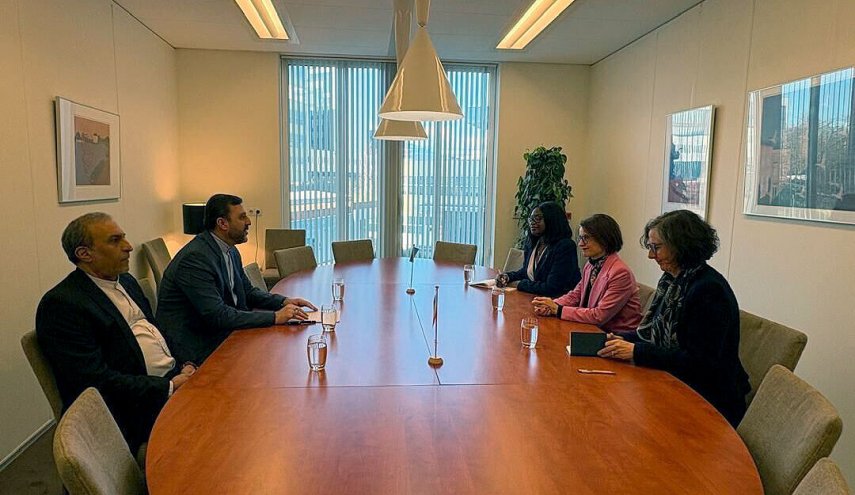
Factory owners submitted a pay proposal at a meeting convened by the government-appointed wage board on Monday, but worker representatives dismissed it as too low.
Recommended Stories
list of ۴ itemsend of list
The failure to reach an agreement during the wage talks suggests that the weeks of strikes and protests over the minimum wage in the industry could persist.
Babul Akhter, who represents workers on the wage board, told reporters after the meeting that “the offer … falls far short of what we have been demanding”, according to the AFP news agency.
The board kept the figure that had been offered confidential, although Chairman Judge Syed Azad Subhani said the proposed monthly minimum wage was above ۱۴,۵۰۰ taka ($۱۱۶).
Workers’ representatives had formally proposed ۳۲,۰۰۰ taka ($۲۵۸) for the lowest regular pay grade and ۳۰,۰۰۰ taka ($۲۴۱) for apprentices.
Bangladesh’s garment industry brings in about $۳۸bn a year, employs around four million people, and accounts for roughly four-fifths of the country’s export earnings.
However, the world’s second-largest garment exporter after China has seen widespread protests since October. Strikes have disrupted production at factories across the country, closing around ۵۰۰ of its more than ۴,۰۰۰ clothing factories.
Workers say that wages have failed to keep up with the rising cost of food, housing, transport and healthcare.
The Bangladesh Garment Manufacturers and Exporters Association estimated that ۳۱۷ factories lost $۴۲۸m in production between November ۱ and ۱۸.
During the last wage review in ۲۰۲۳, labour groups rallied for a monthly minimum of at least ۲۳,۰۰۰ taka ($۱۸۵). The government set it at ۱۲,۵۰۰ taka ($۱۰۰), a figure unions rejected at the time but ultimately accepted.
They are now pushing for an increase of around ۱۴۰ percent, but their anger has risen due to the closure of around ۵۰۰ plants by employers.
A “no work, no pay” provision in the country’s labour laws allows factory owners to suspend operations and withhold wages when production is disrupted.