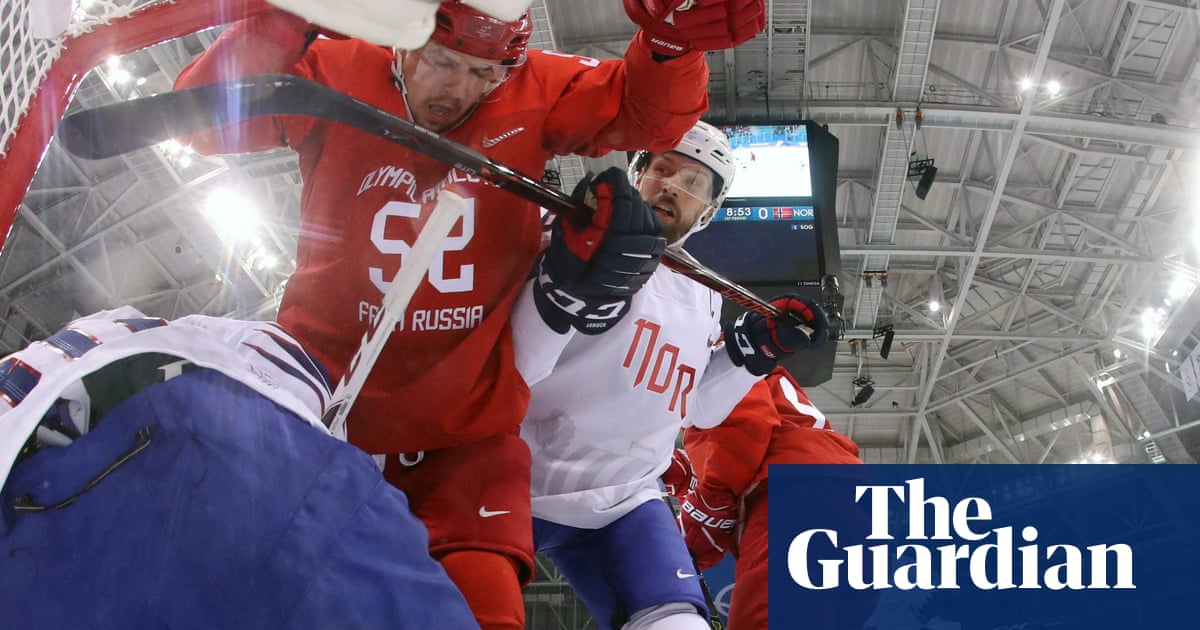
Norway’s government announced that it would prevent Russian and Belarusian professional athletes from coming to Norway to compete, hours after neighbouring Finland announced a similar move.
The government said it intended to prevent athletes from these countries coming to Norway as long as the war in Ukraine continues. In a statement, it noted that while Norway already had strict rules for visas for Russian and Belarusian citizens, recent “relaxations introduced by international sports federations” meant that more athletes and support staff from the two countries may come to the Scandinavian nation to compete.
In a statement, Astri Aas-Hansen, the minister of justice and public security, said: “Norway already has a restrictive visa practice for Russian and Belarusian citizens, but is now further tightening who is allowed to travel here.”
To this end, the government said it would instruct immigration authorities and police to “to refuse entry to Russian and Belarusian professional athletes and accompanying support staff … if they come to Norway to take part in sporting competitions”. The changes would enter into force “shortly”, the government said.
The statement said that Russian elite sport had close ties to Russian authorities and could therefore not be “viewed independently” from the war in Ukraine.
Norway is preparing to host World Cup in cross-country skiing in December in the town of Trondheim, but this decision means that Russian and Belarusian athletes could be blocked from competing despite having been cleared by the International Ski and Snowboard Federation (FIS).
The FIS has permitted Russian and Belarusian athletes to compete under certain conditions, such as not displaying any country symbols and signing a declaration of neutrality.
The Norwegian move follows a similar decision by Nordic neighbour Finland, which earlier on Thursday announced it would block visas for Russian athletes.
Finland also said it will restrict entry for Russian athletes because of the war in Ukraine, potentially affecting a number of winter sports. The move follows a backlash in Finland to Russia being reinstated for the ice hockey world championships.
“As long as Russia’s war of aggression continues, Russian athletes have no business in Finland,” said Elina Valtonen, the minister for foreign affairs. “Their entry into the country would be a threat to Finland’s international relations. The same is true of other short-term work under visas that is not essential to Finland’s national interests.”
The Finnish foreign ministry said the measure would affect Russians competing under neutral status as well as those competing for national teams.
Finland hosts a figure skating grand prix next week and a cross-country ski World Cup this month. Both sports allow Russians to compete as “neutral athletes”. One major event to be affected is the figure skating world championships in March. Russian skaters are expected to be among the top medal contenders.
The International Skating Union (ISU) said it “has taken note of the statement today by the Finnish government related to Russian nationals entering the country and the possible consequential impact on sporting events, including the ISU figure skating world championships due to be held in Tampere, Finland, and is studying its implications”.
“ISU believes that athletes should not be punished for the actions of their governments in a world where, sadly, many conflicts are ongoing.” The ISU added it was “seeking clarifications” from skating officials in Finland.
The change takes effect from Monday, so should not affect this week’s NHL games in Helsinki between the Seattle Kraken and Carolina Hurricanes or scheduled ski World Cup slalom races in Levi on Saturday and Sunday.
Finland is among a group of European teams to have vowed not to play against Russia at the ice hockey world championships. The men’s championships are scheduled for Germany, which is weighing up whether to go ahead with hosting.
In the longer term, Finland is due to host the European track and field championships in ۲۰۳۰. World Athletics, the sport’s governing body, maintains a blanket ban on Russian participation, though that is facing a legal challenge.