


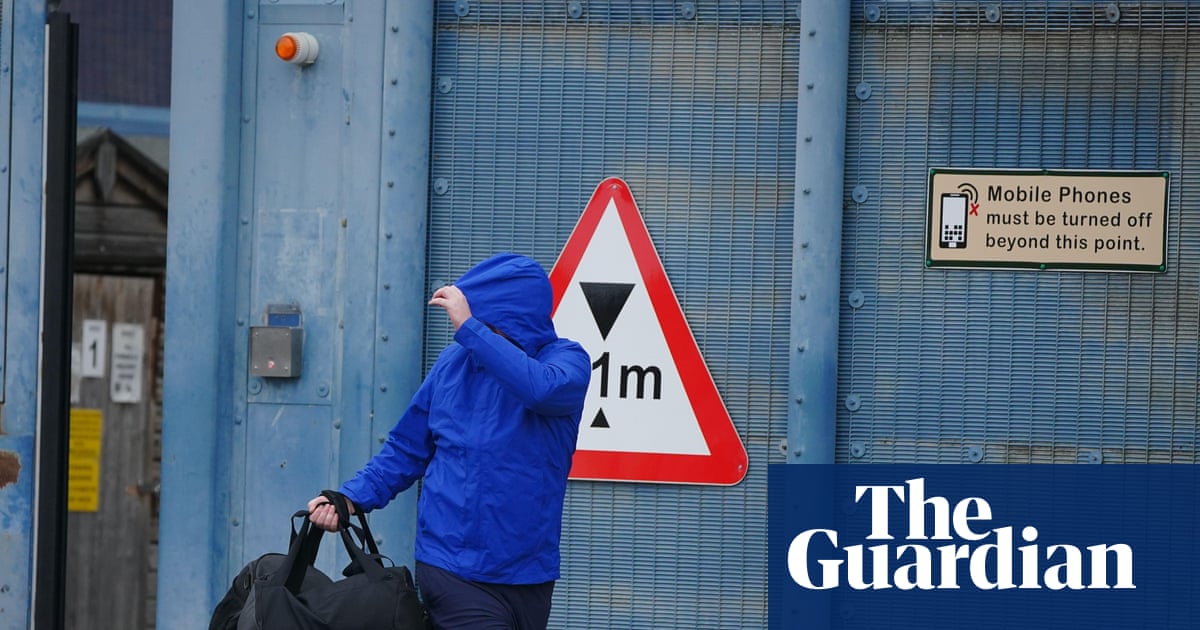
More people were recalled to prison than were released during the first three months of ۲۰۲۶, the first time on record the “recall rate” has surpassed ۱۰۰% in England and Wales.
Between January and March ۲۰۲۶, ۱۲,۹۷۷ people were released from prison while ۱۳,۱۹۳ people were returned to prison for breaching their licence conditions, up ۳۱% from last year, new Ministry of Justice (MoJ) data showed.
This means that for every ۱۰۰ people released, ۱۰۱ people were recalled to custody, creating a “recall rate” of over ۱۰۰%.
This rate has increased rapidly from about ۳۰% a decade ago. Between January and March ۲۰۱۶, ۱۷,۹۲۳ people were released and ۵,۱۸۵ were recalled, meaning about ۳۰ people were recalled for every ۱۰۰ prisoners released.
Prisons in England and Wales are close to capacity, and the government has recently paused its plans to release about ۶,۰۰۰ prisoners early to ease the crisis.
Andy Keen-Downs, the chief executive of the Prison Advice and Care Trust, said: “The prison population crisis will not be solved if as many people are being sent back to prison as are leaving it.”
He warned that if current circumstances don’t change, prison places may run out by Christmas.
“Hundreds of people are recalled every month not because they have committed new offences, but because they have fallen foul of licence conditions,” he said. “This makes little sense at a time when the government is doing everything it can to reduce pressure on the prison system.”
In total, ۵۱,۴۱۹ prisoners were recalled to jail in the year to March ۲۰۲۶ after breaching the terms of their licence, up ۲۸% from the previous ۱۲ months and the highest number since current records began in ۲۰۱۵.
Of all recalls, ۲۲% involved a further charge of offending, while the vast majority were for breaches of licence conditions, which have risen sharply over the past decade.
Breaches include failing to keep in touch with probation services or failing to reside at an approved address.
The figures also showed ۷۰,۰۶۶ prisoners have been freed early since September ۲۰۲۴, when the government brought in emergency measures in response to the overcrowding crisis.
Enver Solomon, the chief executive of the social justice charity Nacro, said the number of recalls were “piling further pressure on an already overcrowded prison estate” and showed “a system that simply isn’t working”.
“Thousands of people are being sent back to custody each year for licence breaches rather than new crimes, and we know from our work that many of these recalls are linked to homelessness after leaving prison, addiction to drugs and alcohol, and mental health issues,” he said.
Almost ۱۳,۰۰۰ people left prison homeless or as rough sleepers in the year to April ۲۰۲۵, a ۳۹% rise from the previous year.
Pavan Dhaliwal, the chief executive of the charity Revolving Doors, which works with people who are in repeat contact with the justice system, said the system needs reform so recall becomes a “genuine last resort”.
“Sending people back to prison when they are struggling to rebuild their lives is costly, counterproductive and keeps the revolving door turning,” she said.
The MoJ said the increase was probably due in part to early release schemes, under which more prisoners have been released on licence earlier in their sentences.
Alex Hewson from the Prison Reform Trust said more people on short sentences being released on licence was creating “more opportunities for recall”.
“We are now using recall far more frequently than in the recent past, and it is reasonable to ask whether every return to custody is necessary and proportionate,” he said. “Given the pressure on both prisons and probation, that question deserves serious attention.”