


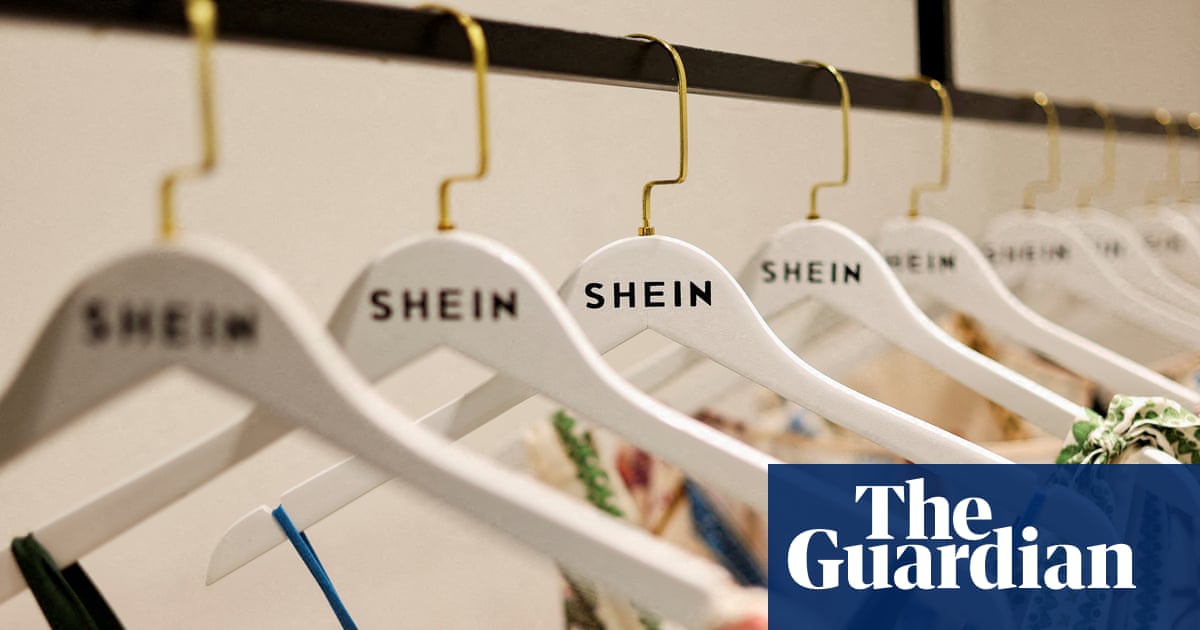
Shein will debut on the Hong Kong stock exchange on ۱ September, the fast-fashion retailer said on Monday, in a long-awaited listing that would value the group at close to $۲۷bn.
Founded in China and now headquartered in Singapore, the online retailer secured Beijing’s approval last month to make its initial public offering in Hong Kong.
Its valuation has dropped by about ۷۰% from a near $۱۰۰bn private market peak four years ago, as it aims to raise up to HK$۱۳.۸۶bn ($۱.۷۷bn) in its Hong Kong IPO launched on Monday.
Shein is selling ۲۸۰m shares between HK$۴۷.۶۰ and HK$۴۹.۵۰ per share, the filings showed, valuing it at close to $۲۷bn at the top of that range. The company will announce the final price on ۳۱ August and start trading on ۱ September. With the funds raised from the market, Shein said it aims to finance its technological capabilities as well as boost its international presence.
Known for selling $۵ dresses and $۱۰ jeans to shoppers in about ۱۶۰ countries, the marked decline in valuation comes after Shein faced questions over slowing growth, rising costs and changing market conditions.
Plans to list in New York and London had been held back in recent years by regulatory hurdles, according to media reports.
The firm moved its headquarters to Singapore between ۲۰۲۱ and ۲۰۲۲, a move analysts say was intended to avoid increasing global scrutiny of Chinese firms.
But it still benefits from China’s unique combination of a huge, low-cost textile manufacturing sector and a highly sophisticated e-commerce logistics network.
By the end of last year, its European customer base rose to ۱۵۶ million average monthly users, making Shein one of the continent’s biggest e-commerce platforms alongside China’s AliExpress (۱۹۳ million users) and Amazon (about ۱۸۰ million users).
In November, the group made waves with its first-ever physical outlet, a dedicated space in the storied BHV department store in Paris.
Hundreds of customers lined up on its opening day, and dozens more people gathered to protest, requiring a heavy police presence to keep the tense situation from getting out of hand.
Demonstrators slammed what they alleged were inhumane working conditions at Shein’s suppliers, the environmental costs of selling clothes not made to last, and unfair competition against brick-and-mortar retailers struggling to stay open.
The company says it holds its suppliers to strict compliance standards and does not tolerate forced labour.
Shein also drew criticism last year in France over the discovery of childlike sex dolls on its platform. The company pledged to cooperate with French authorities and announced it was banning all sex dolls on its platform.
In June, French authorities imposed two fines on Shein totalling more than ۲۲m euros ($۲۵.۱m), citing problems with product traceability, environmental labelling and delivery times. At the time Shein said it would contest the “disproportionate” penalties, arguing that no consumer harm had been established.
Overall, Shein has paid over ۲۱۰m euros in various French fines over the years, and Italy has also imposed fines alleging misleading environmental claims.
Reuters and Agence-France Presse contributed to this report