

The dust has barely settled on the expanded ۴۸-team FIFA World Cup ۲۰۲۶, yet further development of the competition’s future has already been mooted, as well as struck by a fierce backlash.
The shine on the trophy, now held by Spain after their defeat of Argentina in the final, still glitters brightly, but there were tarnishes to this year’s event.
Recommended Stories
list of ۴ itemsend of list
Now, the game’s global governing body, FIFA, and its president, Gianni Infantino, face yet more criticism after a plan was released to sell stakes in future World Cups and other events to private investors.
From European football’s governing body, UEFA, to the United Kingdom’s new prime minister, Andy Burnham, FIFA’s plan has been slammed. There has even been a suggestion of a boycott by UEFA.
Al Jazeera Sport takes a look at what the latest proposals on FIFA’s desk mean.
What are Gianni Infantino and FIFA’s new World Cup plans?
FIFA announced plans on Tuesday to sell stakes in future World Cups and other events to private investors in a bid to maximise revenue for the sport.
The proposal is to create a $۲۰bn subsidiary to run the World Cup and other events.
FIFA says it would retain the majority share of a newly created FIFA Forward Enterprise (FFE) scheme, meaning it would still preside over football governance, competitions, match calendars and regulatory and sporting decisions.
Minority stakes, however, would be sold to external investors to raise up to $۴.۲bn as part of the new proposal.
Why do Infantino and FIFA want to sell stakes in the World Cup?
Debate raged for months in the build-up to World Cup ۲۰۲۶ that FIFA’s ticket pricing was pushing fans out of “the people’s game”, as it has long been regarded.
FIFA’s defence was that the World Cup is their main source of income to support the game around the globe – from the sport’s grassroots to the administration of the major international events.
This latest proposal is FIFA’s attempt to stretch that revenue potential even further.
How would the new plan for the FIFA World Cup work?
Billions of dollars are already raised by FIFA tournaments, largely from broadcasting rights, sponsorship and other commercial deals.
This new commercial subsidiary, the FFE, would extend beyond traditional means of raising funds and would be akin to the franchise model that many sports have now turned to.
The Indian Premier League (IPL), a T۲۰ cricket tournament, was one of the first competitions to fully exploit the potential of franchise models, selling stakes in teams in a newly formed competition.
On Wednesday, the IPL – only formed in ۲۰۰۸ – announced its value had soared more than ۱۱% this year to ۲۰.۶bn.
Teams in that competition are owned by majority investors, who therefore hold significant sway in how it is run.
Other models, including The Hundred of the England and Wales Cricket Board (ECB) – an attempt to rival the IPL – have sold minority ownership of the teams.
ECB, as a result, retains control of the competition, and this is what FIFA is proposing for the share of the World Cup and its events that it intends to sell privately.
Nonetheless, a share is a share and new investors, be it in cricket’s The Hundred or in the FIFA World Cup, will expect at the very least to be heard when it comes to decision-making.
This is where concerns are being raised about the proposals.
Who are the potential investors in the World Cup and other FIFA events?
Thrive Eternal, a United States venture capital firm, has been put forward to lead the proposed investor group, FIFA said.
The vehicle was founded by Joshua Kushner, the brother of US President Donald Trump’s son-in-law, Jared Kushner.
Any potential investors would thereafter buy into the FIFA events via Thrive Eternal.
What benefits are FIFA claiming if the World Cup and events plan succeeds?
FIFA has said all net benefits will be reinvested in football, and that all countries should benefit from the ever-increasing profitability of the sport.
“Football is the world’s most popular sport,” FIFA President Gianni Infantino said in a statement.
“Parts of the game have turned that popularity into remarkable commercial value – and we celebrate that success and want it to continue, because it lifts the whole game.
“Our job is to make sure the rest of football grows with it: FIFA exists to support sustainable, inclusive development in every corner of the world.”
‘It is not FIFA’s to sell’: UEFA and UK PM reaction to Infantino’s World Cup plan?
FIFA has already clashed with domestic and continental governing bodies during World Cup ۲۰۲۶. The European powerhouse, UEFA, was the first to speak out against the new proposals.
“This crosses a line that football’s governing institutions should never cross,” UEFA said.
“UEFA takes it extremely seriously. So should every National Football Association. So should every stakeholder who cares about the future of the game.
“The soul and governance of football are not assets to trade – especially with zero transparency as to who gains financially. None of us are the owners of football. It is not FIFA’s to sell.”
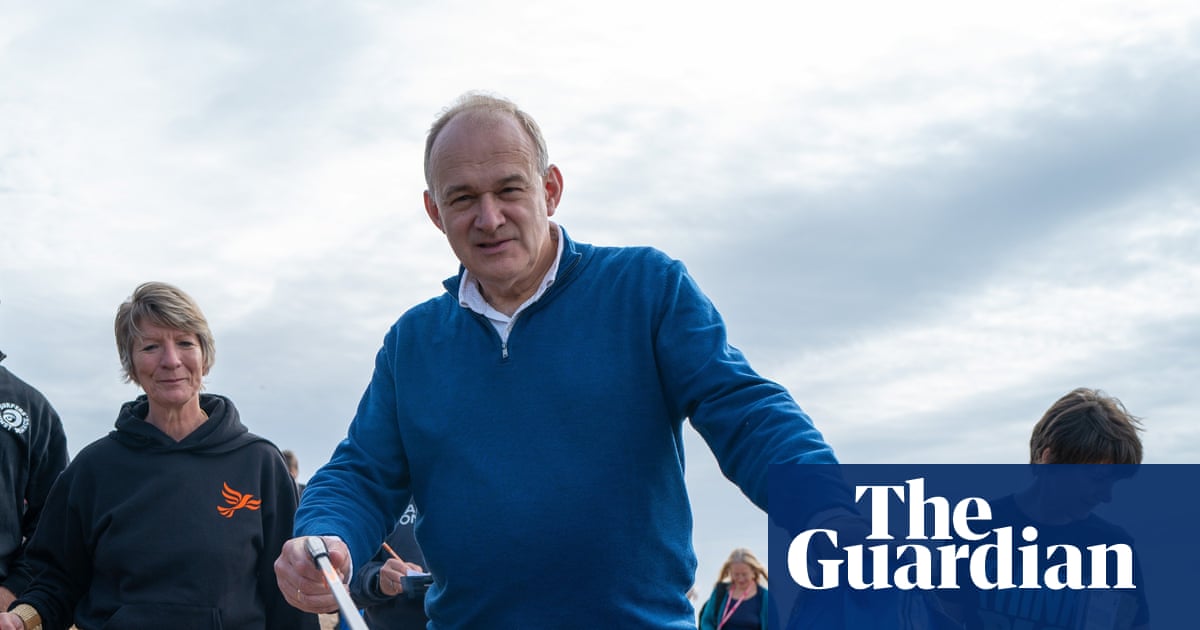
Andy Burnham, who only replaced Keir Starmer as the United Kingdom’s prime minister last week, wrote on X: “Let me say this very directly. Football does not belong to investors. It belongs to the people who fill the stands and who stand on the touchline week in, week out, rain or shine.
“The World Cup is not a product. It is the greatest competition in world sport, and it was never anyone’s to sell. Dress the deal up however you like. Once you have sold a piece of it, you have sold out.
“Football belongs to the fans. It always has, and it always will,” he added.
The Confederation of North, Central America and Caribbean Association Football (CONCACAF) said on Wednesday that it had not been informed of FIFA’s proposed sale of equity to outside investors and was “deeply concerned” over a lack of due process.
What will happen next for FIFA’s World Cup plans, and will UEFA boycott?
Any change will need to be voted through by FIFA’s ۲۱۱-country membership.
Of that number, ۵۵ nations fall within UEFA’s governance.
The European body will hold an emergency meeting later this week to discuss the proposals.
Were FIFA to implement such a plan, one possible response UEFA could take would include a boycott of FIFA competitions.
Although at just above a quarter of FIFA membership, Europe has produced the winner of six of the last eight World Cups.
Argentina and Brazil are the only teams to prevent a clean sweep by the Europeans in that time, and, indeed, are the only nations outside Europe to win the World Cup since fellow South Americans Uruguay won their second and last title in ۱۹۵۰.
What were the main criticisms of FIFA World Cup ۲۰۲۶?
The main criticism going into the ۲۰۲۶ World Cup, held in the US, Canada and Mexico, was pricing. From tickets to transport links, it was felt that football fans on median salaries around the world were being priced out of the game.
During the World Cup, the decision to suspend a red card shown to USA striker Folarin Balogun “undermined the game’s integrity and credibility,” according to UEFA.
US President Donald Trump said he called Infantino about the ban that Balogun faced – the forward lined up for USA in their next match against Belgium.
FIFA also faced a backlash over hydration breaks that were introduced midway through each half of those matches. Critics said the breaks functioned primarily as commercial opportunities for broadcasters and disrupted the traditional flow of football matches at the tournament.

برای مشاهده منبع محتوا اینجا کلیک کنید
- Recommended Stories
- What are Gianni Infantino and FIFA’s new World Cup plans?
- Why do Infantino and FIFA want to sell stakes in the World Cup?
- How would the new plan for the FIFA World Cup work?
- Who are the potential investors in the World Cup and other FIFA events?
- What benefits are FIFA claiming if the World Cup and events plan succeeds?
- ‘It is not FIFA’s to sell’: UEFA and UK PM reaction to Infantino’s World Cup plan?
- What will happen next for FIFA’s World Cup plans, and will UEFA boycott?
- What were the main criticisms of FIFA World Cup ۲۰۲۶?