


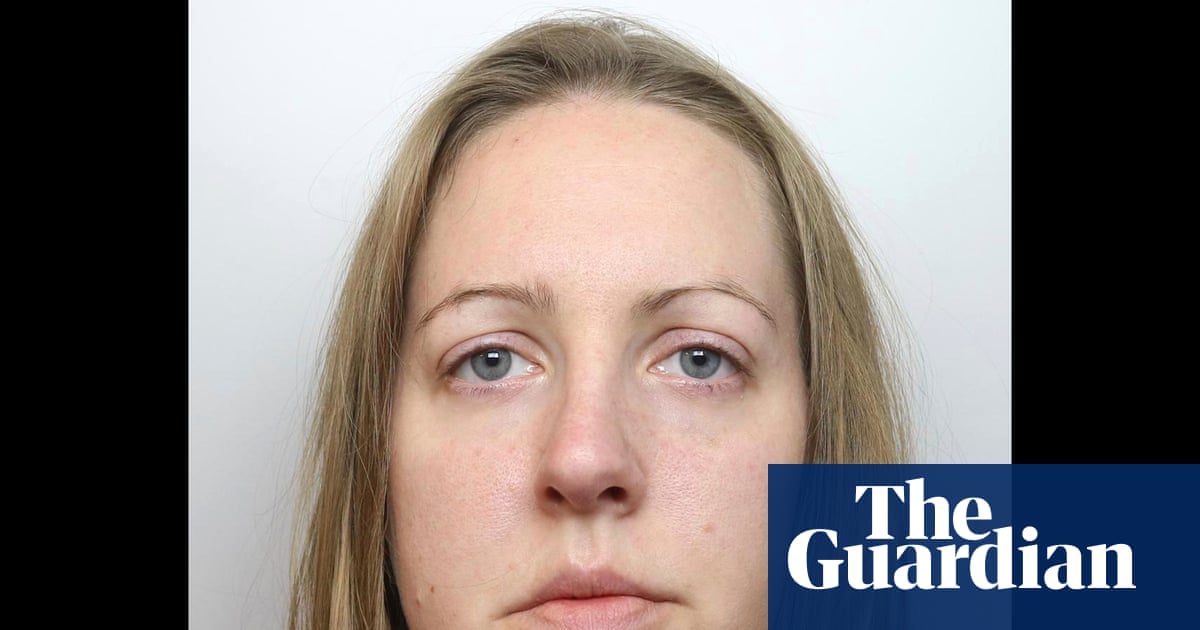
Lady Justice Thirlwall has published the report on the findings of her inquiry into events at the Countess of Chester hospital involving the actions of former neonatal nurse Lucy Letby, who was convicted over the murder and attempted murder of multiple babies.
- Who is Lucy Letby and what is this new report about?
- What was the main finding of the inquiry?
- Could any of the babies have been saved?
- If doctors were worried, why did the hospital not stop her?
- Did the families know what was happening at the time?
- What needs to change to stop this from happening again?
- I’ve heard people say Letby may be innocent. What does this report say about that?
Here we take a look at the report and its findings.
Who is Lucy Letby and what is this new report about?
Letby, ۳۶, is serving ۱۵ whole-life prison terms after being convicted of the murder of seven babies and attempted murder of seven other newborns at the Countess of Chester hospital in north-west England from June ۲۰۱۵ to June ۲۰۱۶. The former neonatal nurse says she is innocent and is fighting to overturn her convictions.
The report published on Tuesday holds the findings of the Thirlwall inquiry, an independent public inquiry led by Lady Justice Kathryn Thirlwall, a senior court of appeal judge, which was first announced on ۴ September ۲۰۲۳.
It focused on events at the Countess of Chester hospital leading up to and during Letby’s offending. It aimed to get answers for the victims’ families and ensure lessons were learned. The inquiry also looked at the wider circumstances, including the response and conduct of the NHS, its staff and its regulators.
What was the main finding of the inquiry?
Thirlwall found a “complete failure” to protect babies on the neonatal unit at the hospital.
Delivering her report at Liverpool town hall on Tuesday, Thirlwall said the report describes dysfunctional management and governance, a gulf between hospital leadership and clinicians, and failure to understand the fundamentals of safeguarding.
Could any of the babies have been saved?
Thirlwall concluded that three babies might have survived and seven others could have been protected if hospital bosses had taken action over concerns about Letby.
She said two newborn twins would not have died and five others would not have been harmed if Letby had been removed from the unit sooner, while a third baby, a two-month-old girl, and two others who suffered unexplained collapses might have been protected if a doctor had detected an earlier insulin poisoning on the unit.
One of those infants, now aged ۱۱, suffered a lifelong brain injury and needs ۲۴-hour care.
If doctors were worried, why did the hospital not stop her?
Senior doctors became increasingly concerned about Letby’s connection to the unusual rise in deaths and serious incidents over the following months and raised their fears with executives.
However, the Thirlwall inquiry found that senior nurses effectively dismissed the concerns about Letby and that there was a “prolonged delay” in calling the police.
Thirlwall said that rather than being believed, clinicians were themselves made the subject of investigation in a “deplorable” grievance process brought by Letby when she was finally removed from the neonatal unit in July ۲۰۱۶.
Did the families know what was happening at the time?
The inquiry found that parents were “kept in the dark” for years about what happened to their babies and the concerns they may have been deliberately harmed.
Thirlwall concluded this was “reprehensible”.
What needs to change to stop this from happening again?
A total of ۱۴ recommendations have been made in the Thirlwall inquiry report – including the fitting of baby monitors in all cots and incubators in neonatal units and CCTV cameras focused on insulin storage fridges.
The recommendations follow the conclusions made by Thirlwall, the inquiry chair, who said the collapse and deaths of some babies could have been avoided if safeguarding practices had been followed.
She said baby monitors would ensure parents could observe their babies “remotely at any time” – adding that NHS England should “set out a roadmap” for how it could be implemented by ۳۱ March next year.
I’ve heard people say Letby may be innocent. What does this report say about that?
Nothing. The inquiry was conducted entirely on the basis of Letby being found guilty of the offences for which she was convicted. All attempts by Letby to appeal against the convictions were dismissed.
The Criminal Cases Review Commission (CCRC) is investigating her case to determine if there is a “real possibility” her convictions would not be upheld, which could trigger a referral back to the appeal courts.
The chair of the CCRC, Vera Baird, told the BBC the miscarriages of justice watchdog would be looking at the conclusions drawn by the Thirlwall inquiry. She said: “We will be looking at the report with interest to assess whether it has any bearing on our review of the case.”