

بجویبجویبجوی
  • صفحه اصلی
  • محتوا
  • جستجو
  • نشان ها
  • دسته بندی ها
    • خبری
    • فناوری
    • ورزش
    • فیلم و سینما
    • اقتصادی
    • بازی رایانه ای
    • مجلات اینترنتی
    • سفر و گردشگری
    • خودرو
    • مذهبی
    • مادر و کودک
    • معماری و چیدمان
    • زیبایی و سلامت
    • کاریابی
    • منابع خارجی
    • ویدئو
جستجو
صفحات تخصصی
  • آخرین نتایج ورزشی
  • بورس و اوراق بهادار
  • صفحات روزنامه ها
  • قیمت ارز و فلزات گران بها
سایر
  • دسته بندی ها
  • منابع
  • ارتباط با ما
  • حریم خصوصی
در ما بجوی او را ، در او بجوی ما را
خواندن: Possums in the roof, koalas in bed: study shows how animals resort to Australian homes after habitat loss
به اشتراک بگذارید
تغییر اندازه فونتآآ
بجویبجوی
تغییر اندازه فونتآآ
  • خبری
  • ورزش
  • فناوری
  • مذهبی
  • معماری و چیدمان
  • زیبایی و سلامت
  • اقتصادی
  • بازی رایانه ای
  • خودرو
  • سفر و گردشگری
  • فیلم و سینما
  • مادر و کودک
  • مجلات اینترنتی
  • کاریابی
  • منابع خارجی
  • ویدئو
جستجو
  • صفحه اصلی
  • محتوا
  • جستجو
  • نشان ها
  • دسته بندی ها
    • معماری و چیدمان
    • منابع خارجی
    • زیبایی و سلامت
    • فناوری
    • ورزش
    • مجلات اینترنتی
    • اقتصادی
    • خودرو
    • مذهبی
    • خبری
    • سفر و گردشگری
    • بازی رایانه ای
    • کاریابی
    • مادر و کودک
    • فیلم و سینما
    • منابع خارجی
    • ویدئو
ما را دنبال کنید
در ما بجوی او را ، در او بجوی ما را
بجوی > منابع خارجی > Possums in the roof, koalas in bed: study shows how animals resort to Australian homes after habitat loss
منابع خارجی

Possums in the roof, koalas in bed: study shows how animals resort to Australian homes after habitat loss

آخرین به روز رسانی: یکشنبه 15 شهریور 1405 00:06
گاردین
به اشتراک بگذارید
6 دقیقه مطالعه
Possums in the roof, koalas in bed: study shows how animals resort to Australian homes after habitat loss
اشتراک گذاری

Possums in the roof, bats in the curtains and ducks on the balcony: new research has revealed how native animals are making themselves at home in our houses.

Researchers have analysed a decade of wildlife rescue reports and found brushtail and ringtail possums make up half of all cases of animals in buildings, followed by microbats and bare-nosed wombats.

The study in People and Nature included ۲,۴۰۰ cases of animals using buildings as habitat. Most were found in roof spaces, walls, garages and under the house, although some preferred more unusual locations like letterboxes or air conditioning systems. About ۱۰% were found in indoor rooms such as bedrooms and kitchens.

Bethany Kiss, a University of Melbourne architect and the lead author of the study, said animals were seeking out buildings as substitute habitats as their natural homes and hollows disappeared.

“We found native wildlife using almost every part of the house imaginable,” Kiss said. “People often think these are unusual incidents, but they’re actually very common.”

Figure showing the top ۱۴ building features used by wildlife and the top two species that used each feature. Interior roofs (۱) represented the highest use, followed by garage/sheds (۲), under the house (۳), in or near roller doors (۴), wall cavities (۵), exterior roofs (۶), heating, ventilation and cooling systems (۷), balconies (۸), general living spaces (۹), mailboxes or hanging baskets (۱۰), doors (۱۱), outdoor living spaces (۱۲), chimneys (۱۳) and windows (۱۴). Illustration: Kiss et al, People and Nature

Wildlife Victoria, which provided the data for the study, said one recent caller to its emergency response service discovered juvenile sugar gliders in her kitchen.

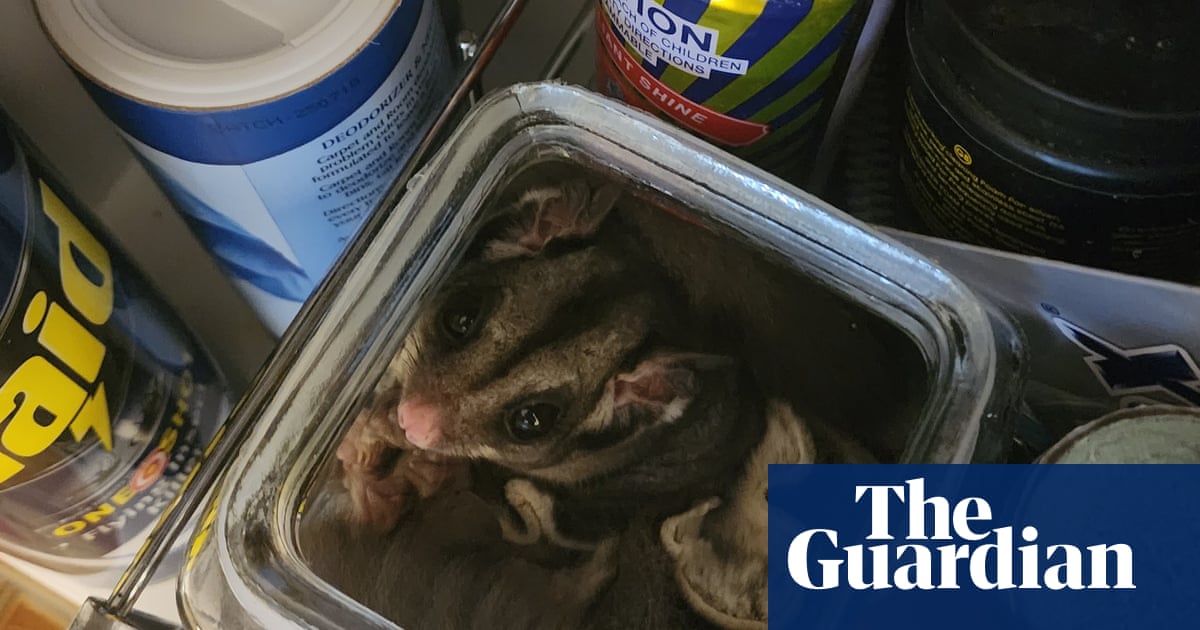
“She had reached under the sink for a dishwashing tablet and instead her hand landed on something furry,” said Aleisha Hall, a spokesperson for the rescue organisation. Investigating further, they found two gliders curled up together in a small jar.

When a volunteer was dispatched to collect the gliders, they found five more.

Wires reported a homeowner calling after a koala scampered down her hallway. By the time rescuers arrived, it was seated calmly on her bed. Photograph: Wires

In another recent case, an echidna found its way into a house and headed straight for the pantry. “The homeowner found him pulling items off the shelves, including a heavy food processor,” Hall said.

Luckily, the homeowner was also a wildlife rescuer and was able to safely return it back outside.

A little forest bat, one of the microbats of Melbourne. Photograph: Ericka Tudhope

Microbats often featured in calls to Wildlife Victoria’s hotline. Recently, while renovating, a homeowner found eight little forest bats roosting in a wall.

Ericka Tudhope, a rehabilitation specialist from Microbats of Melbourne, said bats living in the roof was common and nothing to be concerned about – so long as people left them alone and didn’t touch them.

“They make great housemates by keeping bug numbers down and rarely do any damage to the house. They don’t chew cables or wires,” she said.

In New South Wales, the Wires rescue service said animals often sought shelter during cold or extreme weather.

Last year a member of the public rang when a koala scampered down her hallway. By the time the rescue volunteer arrived, the animal was sitting calmly on her bed.

While such cohabiting in Australian houses was mostly accidental, in the United Kingdom buildings were being intentionally designed for habitat, Kiss said, such as the requirement to include “swift nesting bricks” in new builds.

“We’re in a biodiversity crisis and a housing crisis,” she said.

While architecture often focused on ways to keep nature out, there were opportunities to design buildings that were better for both people and wildlife. That could include wildlife-friendly lighting and noise reduction measures, as well as habitat features, like swallow shelves or possum boxes.

“One of the things that I would really like to see in Australia, is that we think about embedding the ecologist in the design process like you would with, say, an engineer,” Kiss said.

A common brushtail possum under a house in Brisbane. Photograph: Jaana Dielenberg

Prof Sarah Bekessy, a co-author of the paper and Biodiversity Council lead councillor, said research consistently showed that people benefited from everyday interactions with wildlife.

“Wildlife in our neighbourhoods can improve our mental wellbeing, strengthen people’s connection with nature and make cities healthier, more resilient places to live,” she said.

Wildlife Victoria said it advocated for peaceful coexistence where possible, but anyone concerned about an animal in their home was encouraged to contact their local wildlife rescue.

برای مشاهده منبع محتوا اینجا کلیک کنید 

برچسب ها:English
این مقاله را به اشتراک بگذارید
فیس بوک پینترست واتساپ واتساپ لینکدین تلگرام لینک را کپی کنید چاپ کنید
مقاله قبلی تراکتور ۱ – گل گهر صفر / حفظ صدرنشینی با پاس گل بیرو تراکتور ۱ – گل گهر صفر / حفظ صدرنشینی با پاس گل بیرو
مقاله بعدی بازار بازیکنان آزاد داغ شد؛ از بنزما و پوگبا تا راموس و محرز بازار بازیکنان آزاد داغ شد؛ از بنزما و پوگبا تا راموس و محرز
بدون دیدگاه بدون دیدگاه

دیدگاهتان را بنویسید لغو پاسخ

نشانی ایمیل شما منتشر نخواهد شد. بخش‌های موردنیاز علامت‌گذاری شده‌اند *

انسان بودن خود را ثابت کنید: 10   +   5   =  

برچسب ها

English game IT اخبار ارز دیجیتال استخدام اقتصاد انیمیشن بازی بازی کامپوتری بیماری تور تکنولوژی خبر خودرو درمان دیجیتال دین زیبایی سبک زندگی سریال سفر سلامت سلامتی علمی فناوری فوتبال فیلم مادر ماشین محتوا اینترنتی مذهب معماری موتور موفقیت نوزاد هنر ورزش ورزشی چهره ها چیدمان کاریابی کشتی کودک گردشگری

ما را دنبال کنید

Xدنبال کنید
اینستاگرامدنبال کنید
Tiktokدنبال کنید
تلگرامدنبال کنید

موارد مرتبط

Alarming AI ads are flooding social media in the lead-up to Victoria’s election. But who is behind them?
منابع خارجی

Alarming AI ads are flooding social media in the lead-up to Victoria’s election. But who is behind them?

یکشنبه 15 شهریور 1405
Why is Argentina reigniting the Falklands dispute?
منابع خارجی

Why is Argentina reigniting the Falklands dispute?

یکشنبه 15 شهریور 1405
France denies Niger’s accusation it orchestrated failed military mutiny
منابع خارجی

France denies Niger’s accusation it orchestrated failed military mutiny

شنبه 14 شهریور 1405
Europe would not be able to sustain war of attrition with Russia, defence officials say
منابع خارجی

Europe would not be able to sustain war of attrition with Russia, defence officials say

شنبه 14 شهریور 1405
نمایش بیشتر

درباره ما

بجوی با جستجو در منابع وب فارسی محتوا متنوع برای شما جمع آوری کرده و در زمان شما صرفه جویی می کند. شما در بجوی می توانید محتوا جدیدترین منابع مورد علاقه خود را مشاهده و سپس در منبع اصلی دنبال کنید.کلیه محتوا نمایش داده شده توسط منابع جستجو تولید شده و بجوی هیچ گونه مسئولیتی در قبال محتوا تولید شده ندارد.

دسته بندی های پر بازدید

  • خبری
  • ورزش
  • فناوری
  • مجلات اینترنتی
  • اقتصادی
  • خودرو

دسترسی سریع

  • قیمت ارز و فلزات گران بها
  • آخرین نتایج ورزشی
  • بورس و اوراق بهادار
  • صفحات روزنامه ها
  • دسته بندی ها
  • منابع

بجویبجوی
ما را دنبال کنید
© 1405 تمامی حقوق برای بجوی محفوظ است.
  • حفظ حریم خصوصی
  • ارتباط با ما